How Dental Crowns in Oxnard CA Restore Confidence
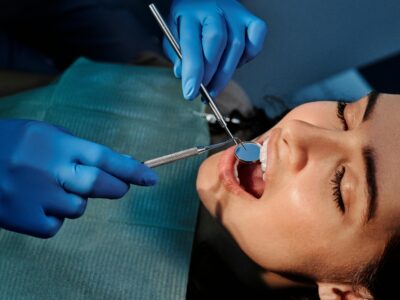
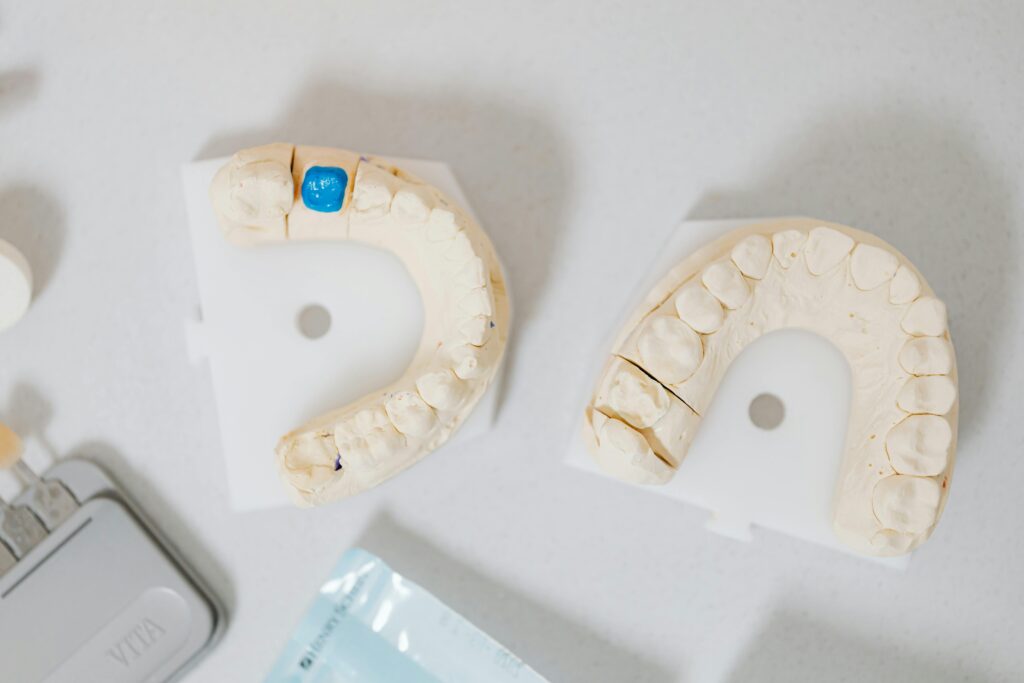
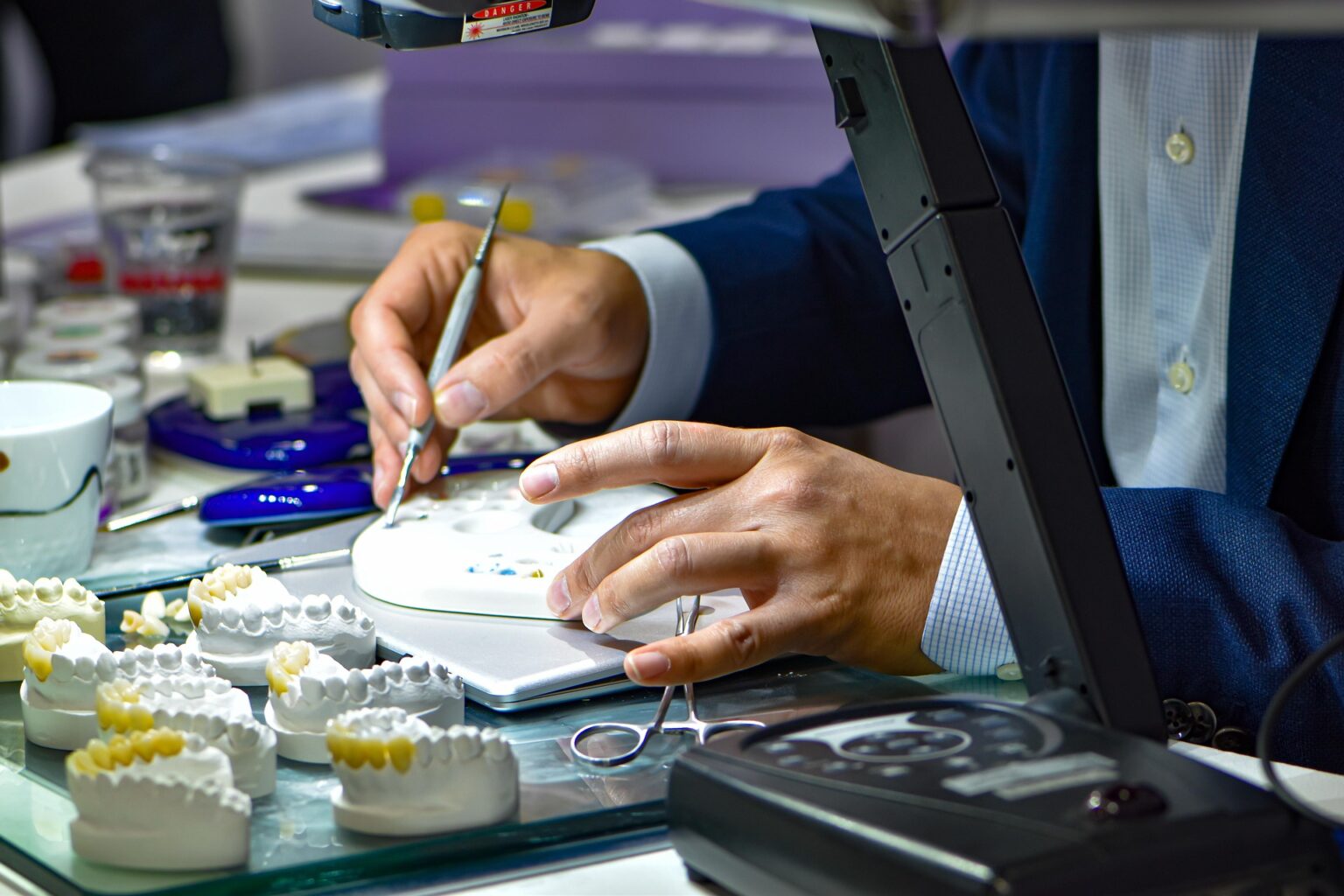
A damaged tooth can change far more than a smile. It can alter the way a person eats, the way they speak, and the way they carry themselves in a room. I have seen people cover their mouths when they laugh, avoid photos at family events, and postpone meals with friends because one tooth in the back of the mouth has become too unreliable to trust. That is why dental crowns are often about more than repair. They can be a turning point.
For many patients, the decision to get a crown starts with a practical problem. A tooth cracks. A large filling fails. A root canal leaves a tooth brittle. But what follows is often emotional as much as clinical. When a tooth feels weak, discolored, misshapen, or visibly broken, confidence takes a hit. Restoring that tooth restores a surprising amount of normal life.
In conversations about Dental Crowns Oxnard CA, the focus usually starts with function, and it should. A crown protects and reinforces a tooth. Still, confidence is often the real outcome people remember. They smile without calculating angles. They chew on both sides again. They stop thinking about the tooth every few minutes. That relief matters.
Why a crown changes more than appearance
A dental crown is a custom-made cap that fits over a prepared tooth, restoring its shape, strength, and appearance. That technical definition is accurate, but it does not capture what crowns do day to day. The front tooth that chipped on a coffee mug, the molar that cracked during dinner, the old silver-filled tooth that finally gave out, these are not abstract dental problems. They are interruptions in ordinary living.
Confidence in dentistry often comes down to predictability. When a patient knows a tooth will not catch on food, ache when biting, or draw unwanted attention, the mind relaxes. People underestimate how draining low-level dental worry can be. A tooth that feels unstable keeps showing up in small decisions. Should I order salad? Should I chew on the other side? Will this show when I talk? A crown, when properly planned and fitted, removes many of those questions.
There is also a social element. People tend to think cosmetic dentistry applies only to very visible front teeth, but even back teeth influence confidence. Patients feel more self-assured when they know their mouth is healthy and complete. It changes speech, facial tension, and the willingness to engage fully.
What crowns actually fix
Not every damaged tooth needs a crown, and a good dentist should say that plainly. If a tooth can be predictably restored with a smaller filling or onlay, that may be the more conservative choice. But when a tooth has lost too much structure, a crown becomes the responsible option because it covers and supports what remains.
Crowns are commonly used when a tooth has a fracture that threatens to spread, extensive decay that weakens the walls, a large old filling with little natural tooth left, or significant wear from grinding. They are also standard after many root canal treatments, especially on back teeth that absorb heavy chewing force. In aesthetic cases, a crown can improve the form and color of a severely damaged or heavily restored tooth when other approaches would not be durable enough.
Patients often ask whether a crown means the tooth was saved at the last minute. Sometimes that is true. A well-timed crown can prevent a crack from turning into a split tooth that cannot be repaired. Other times, the tooth is not at immediate risk of loss, but it has become structurally compromised enough that repeated patchwork is no longer sensible. There is a difference between repairing something temporarily and restoring it in a way that lasts.
The confidence gap before treatment
The period before a crown is often harder than people expect. A front tooth that chips may create obvious self-consciousness, but many patients with back-tooth damage feel the same stress in a quieter way. They are constantly adapting. They avoid nuts, crusty bread, steak, popcorn, cold drinks, or anything sticky. They chew cautiously and hope the tooth gets them through another week.
I once spoke with a patient who had a fractured premolar that looked minor from the outside. She was not in severe pain, so she delayed care for months. What finally brought her in was not discomfort, it was exhaustion. She said she was tired of thinking about that tooth every time she sat down to eat. After the crown was placed, her first comment at the follow-up was simple: “I forgot about it.” In dentistry, that is a meaningful result. A healthy restoration should disappear into the background of life.
This is where Dental Crowns Oxnard CA become especially relevant for people balancing work, family, and social commitments. Reliability matters. A restoration that looks natural and performs predictably gives people back ease, not just structure.
The materials matter, but so does judgment
Patients often search crown materials online before they understand why one option fits better than another. Material matters, but choice should depend on location in the mouth, bite forces, cosmetic expectations, and habits such as clenching or grinding. There is no single best crown for every case.
Porcelain and ceramic crowns are popular because they can look remarkably natural, especially in visible areas. They reflect light in a way that blends well with enamel when crafted carefully. Zirconia has become a common choice because it offers impressive strength and good aesthetics, particularly for back teeth where durability is critical. Porcelain-fused-to-metal crowns still have a place in some situations, though many practices now favor metal-free options where possible.
The crown is only part of the equation. Tooth preparation, margin design, bite adjustment, and the quality of the lab work all affect the result. A beautifully marketed material placed on a poorly managed tooth will still fail. By contrast, a well-planned crown made from a sensible material can serve a patient comfortably for many years.
Patients are sometimes surprised to learn that matching a single front tooth can be more demanding than restoring a back molar. Front teeth sit in full view, and the eye notices tiny differences in shape, brightness, and translucency. In those cases, communication between dentist, patient, and laboratory becomes essential. Shade selection may involve natural light, photos, or custom characterization. When done well, the crown looks like it belongs there, not like a polished substitute.
What the process feels like in real life
The crown process has become more comfortable and efficient than many people expect. That matters because fear of inconvenience keeps some patients from moving forward. In a traditional workflow, the first appointment involves evaluation, imaging if needed, shaping the tooth, and taking an impression or digital scan. A temporary crown is then placed while the final crown is fabricated. At the second visit, the permanent crown is tried in, adjusted, and cemented.
Some offices offer same-day crowns using in-office scanning and milling technology. That can be a major advantage for patients with tight schedules, though not every case is ideal for same-day treatment. Complex cosmetic cases, very precise color work, or certain bite situations may still benefit from a lab-fabricated restoration. Faster is not automatically better. Appropriate is better.
Most patients tolerate crown preparation well with local anesthesia. Afterward, mild soreness in the gums or temporary sensitivity can happen for a short period, especially if the tooth was already irritated. The temporary crown phase can feel slightly awkward for some people, but a good temporary should protect the tooth and preserve appearance reasonably well.
The final seating appointment is often the emotional turning point. Patients see the shape restored, feel the bite stabilize, and realize they can stop compensating. In front-tooth cases, it is common for people to look in the mirror and immediately sit a little straighter. That reaction is not vanity. It is relief.
A crown is not just cosmetic, but aesthetics count
There is sometimes a false divide between health and appearance in dentistry, as if caring how a tooth looks is somehow less legitimate than caring how it functions. In practice, the two overlap constantly. A tooth that looks healthy tends to support confidence, and confidence affects behavior. People who feel good about their smiles are often more comfortable speaking, smiling, and seeking timely dental care.
When planning crowns in visible areas, details matter. The width of the tooth, the contour near the gums, the way the edges catch light, all of this affects whether the restoration blends naturally. A crown that is too opaque can look flat. One that is too bulky can irritate the gumline and feel foreign. A shape that ignores neighboring teeth can draw attention for the wrong reasons. Technical success and aesthetic success need to happen together.
That is one reason experienced clinicians take time with smile-zone restorations. The best results rarely come from rushing. Sometimes a patient wants a very bright shade that Dental Crowns Oxnard CA Omni Dental Specialty may not match surrounding teeth. Sometimes the neighboring teeth have wear, translucency, or subtle asymmetry that should be echoed rather than erased. Good dentistry involves guidance, not just compliance.
When confidence returns, patients notice it in small moments
The visible moment is often the smile in the mirror, but the deeper effect shows up later. It shows up at lunch when a patient bites into a sandwich without thinking. It shows up during a work presentation when speech feels normal. It shows up in photos where the hand no longer rises reflexively to cover the mouth.
There is also a psychological shift that comes from resolving an ongoing problem. Many patients live with damaged teeth longer than they admit. They adapt so gradually that they do not notice how much they have narrowed their habits. Once the tooth is restored, the contrast becomes obvious. Less worry. Less guarding. More ease.
These changes are especially meaningful for people whose work depends on communication and presence. Teachers, sales professionals, healthcare workers, hospitality staff, attorneys, and anyone in public-facing roles often feel dental issues more acutely. But the truth is simpler than job title. Everyone deserves to speak and smile without calculation.
Choosing the right time matters
Crowns tend to work best when they are done before a compromised tooth turns into an emergency. That may sound obvious, but many dental crises begin as manageable problems. A cracked cusp can progress into deeper fracture. A large failing filling can allow decay to spread beneath it. A tooth weakened after root canal treatment can fracture under pressure if left unprotected too long.
Delaying treatment may sometimes seem cheaper in the short term, but it often narrows the available options. A tooth that could have been restored with a crown may later require extraction and replacement if the damage extends too far. Most dentists have seen this pattern repeatedly. People are not neglectful because they do not care. More often, they are busy, unsure of the urgency, or trying to avoid expense. Honest communication about timing helps.
Here are a few signs that a crown discussion is worth having with a dentist:
- A tooth has a large filling and the remaining tooth structure feels thin or fragile.
- There is a visible crack, a broken cusp, or pain when biting down.
- A root canal has been completed on a back tooth that still lacks full coverage.
- A tooth is severely worn, misshapen, or discolored beyond what simpler treatment can predictably fix.
- A restoration keeps failing in the same tooth, suggesting patch repairs are no longer enough.
That list does not replace an exam, but it reflects common situations where a crown is often part of the right answer.
Longevity depends on habits as much as dentistry
A well-made crown can last many years, often well over a decade, but longevity is never guaranteed by the crown alone. The supporting tooth, gum health, bite forces, and home care all play a role. Crowns do not decay, but the natural tooth at the margin can. That is a point many patients misunderstand. If plaque collects around the edges and cleaning is inconsistent, recurrent decay can develop where crown meets tooth.
Grinding is another major factor. A patient who clenches at night may place enough force on a crown to chip porcelain, loosen cement, or stress the underlying tooth. In those cases, a night guard is not an upsell, it is sensible protection. Dental Crowns Oxnard CA Bite adjustment also matters. Even a beautifully fabricated crown can feel off or wear prematurely if the occlusion is not balanced.
The aftercare advice is straightforward, but it works only if followed consistently:
| Habit | Why it matters | | --- | --- | | Brush thoroughly at the gumline | Plaque tends to collect where the crown meets the tooth | | Floss daily | Healthy contact areas and gums protect the margin | | Wear a night guard if recommended | It reduces stress from clenching and grinding | | Keep regular checkups | Small issues are easier to correct early | | Report bite changes quickly | High spots and discomfort are easier to adjust before damage occurs |
None of this is complicated, but it does require follow-through. The crown restores the tooth. Daily habits protect the investment.
Cost, value, and realistic expectations
Crowns are not the least expensive treatment in dentistry, and patients deserve clear discussions about that. Cost varies by material, complexity, office, and whether additional treatment is needed before the crown can be placed. What matters clinically is whether the crown offers durable value compared with repeated repairs or the risk of losing the tooth.
A useful way to think about value is to consider the alternatives honestly. Replacing large broken fillings over and over may seem less expensive per visit, but if each repair leaves the tooth weaker, the long-term picture changes. By the time a tooth fractures beyond repair, the replacement options, such as an implant or bridge, are often more involved and more costly than the crown would have been.
Expectations also need to stay realistic. A crown can restore shape, strength, and appearance, but it does not make a tooth indestructible. It will not always feel identical to untouched natural enamel on day one. Some adaptation is normal. In cases involving deep cracks, gum issues, or a long history of dental work, the prognosis may be good but not perfect. Patients appreciate honesty more than sales language. Good treatment planning includes optimism with limits.
Why local care makes a difference in Oxnard
For patients looking into Dental Crowns Oxnard CA, convenience is only one part of the benefit of local care. Follow-up matters with crowns. Bite adjustments, shade evaluations, temporary issues, and post-placement checks are easier to manage when the practice is nearby. That becomes especially important if the tooth is in the aesthetic zone or if the patient has a complex bite.
Oxnard patients also bring practical concerns shaped by real life. Busy schedules, commuting, family obligations, and the need to coordinate treatment efficiently all affect decision-making. A thoughtful dental office understands that a successful crown is not just one that looks good in a mirror. It is one that fits the patient’s routine, budget, and long-term dental health.
There is value in seeing a clinician who pays attention to the details that make crowns succeed over time. That includes evaluating the tooth’s restorability, discussing material options clearly, checking gum health, considering clenching habits, and taking the time to refine contacts and bite. These details are not glamorous, but they are what make a crown feel natural and last.
Restoring confidence often starts with one tooth
People tend to imagine smile confidence as something tied to complete cosmetic makeovers. In practice, one well-restored tooth can change everything. A single crown can remove pain, restore chewing, repair a visible defect, and end months or years of self-consciousness. That is not an exaggeration. It is what happens when a persistent source of stress is finally resolved.
The best crowns do not announce themselves. They let patients return to ordinary life with less hesitation. Meals become simpler. Conversations feel easier. Smiles happen without rehearsal. When a restoration does all of that while protecting a vulnerable tooth, it has done more than repair damage. It has returned a sense of security.
That is the real promise behind Dental Crowns Oxnard CA. Not perfection, not vanity, not a sales slogan. Stability, comfort, and the confidence that comes from knowing your smile works the way it should.
Omni Dental Specialty
1690 E Gonzales Rd
Oxnard, CA 93036, United States
Phone: +1 805-410-9603
FAQ About Dental Crowns Oxnard CA
What is the average cost of a crown in California?
The fee depends on the crown material, tooth condition and any additional treatment. Request an itemized estimate from Omni Dental Specialty after an examination, and confirm insurance benefits before scheduling.
How long do dental crowns last?
Longevity varies with the material, fit, oral hygiene and biting habits. Regular dental reviews help identify wear, damage or decay. A crown does not need replacement solely because it reaches a particular age.
Do teeth go bad under crowns?
Decay can develop in the remaining natural tooth, particularly near the crown margin. Brush with fluoride toothpaste, clean between teeth daily and keep dental appointments. Report new pain or looseness promptly.
Which crown is best for bruxism?
No material suits everyone. Your dentist assesses grinding, tooth position, bite forces and appearance before recommending a crown. A protective appliance may also be recommended to manage stress on the restoration.